
Body Concerns
Expert solutions for your body.
Most body concerns are not a failure of effort. They are the result of biology, hormones, pregnancy, time and the simple reality that exercise and lifestyle changes, as valuable as they are, cannot always reach every area or address every structural change the body goes through.
At JBH Aesthetics in Camden, we offer a clinically led range of body treatments designed to address the concerns that matter most to our clients — from muscle definition and skin laxity to spider veins, unwanted hair, body pigmentation and weight management.
This page is a guide to the most common body concerns we treat, the clinical reasons behind them, and the treatments available at JBH that are designed to help. Browse by concern or contact our team to discuss your individual goals.
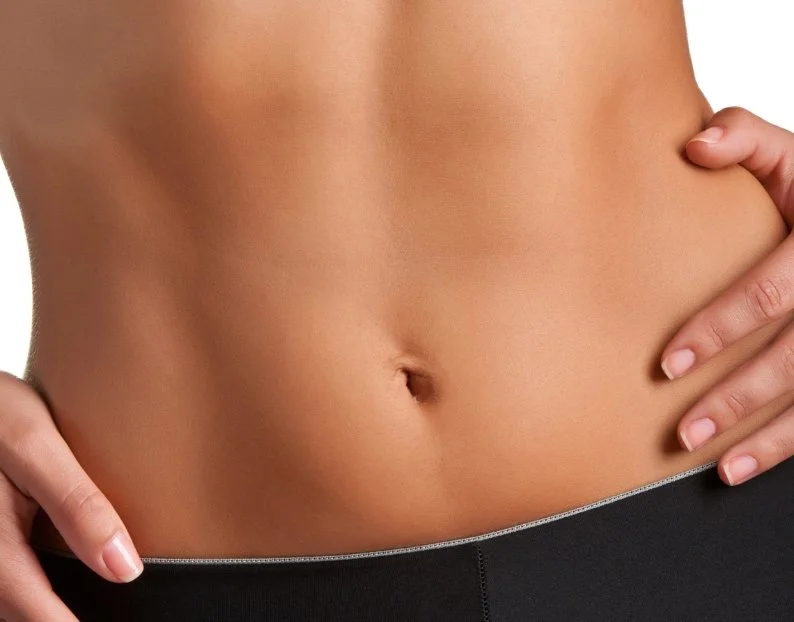
Lack of muscle tone and definition
You're putting in the work. Your body isn't reflecting it yet.
Visible muscle definition isn't simply about training harder or eating cleaner. The body adapts to exercise over time, becoming more efficient at the movements it repeats, which naturally reduces the stimulus for further muscle development. Anatomy, hormones and genetics all play a role in where and how the body builds and retains muscle — and for many people, certain areas simply won't respond the way they want them to, regardless of effort.
This is one of the most common concerns we hear from clients at JBH Aesthetics, and it affects both women and men — though for very different reasons and in very different ways.
For women
Oestrogen influences fat distribution and muscle synthesis differently to testosterone, meaning women typically carry more subcutaneous fat over the abdomen, hips and thighs — which can mask underlying muscle development. Post-pregnancy changes in abdominal muscle structure (see Muscle Separation below) can further alter the appearance of the core regardless of fitness level.
For Men
Men often find the lower abdominal region — the area between the navel and the pubic bone — the most resistant to change despite consistent training. Subcutaneous fat in this area is particularly slow to respond to diet and exercise, and the muscle density required for visible definition in this zone can be difficult to achieve through voluntary contractions alone.
How JBH Aesthetics can help with lack of muscle tone and definition
EMBODY uses High-Intensity Focused Electromagnetic (HIFEM) technology to induce supramaximal muscle contractions — far more intense than any voluntary contraction achievable through exercise. In a single 30-minute session, the abdominal or gluteal muscles undergo thousands of contractions that drive genuine muscle fibre remodelling, increasing density, improving tone and creating more visible definition. No needles, no surgery, no recovery time. Learn more about EMBODY muscle toning
Loose or lax skin on the body
Skin that hasn't kept pace with the changes your body has been through.
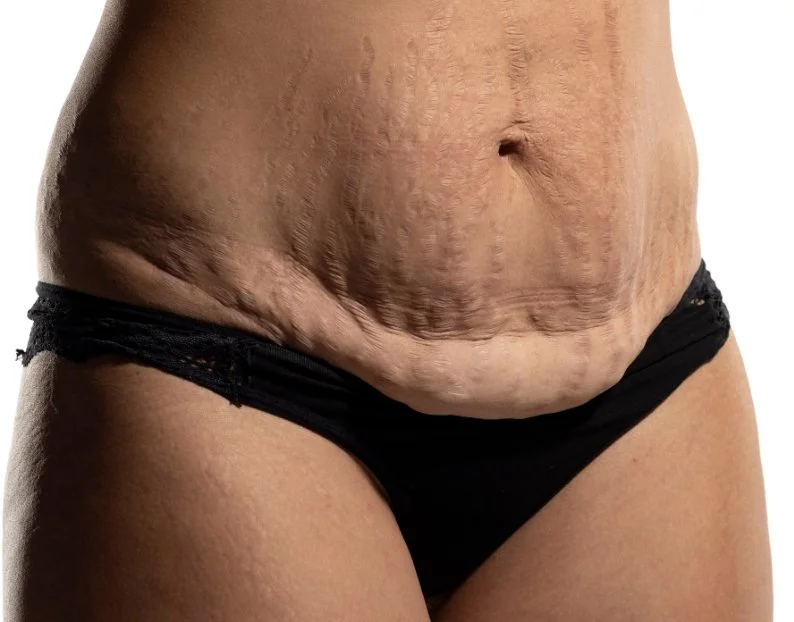
Skin laxity on the body is an extremely common concern and one that diet, exercise and topical products are generally unable to address. The skin's structural integrity depends on collagen and elastin — proteins produced by fibroblasts in the dermis. As we age, collagen production slows naturally, reducing the skin's firmness and elasticity. But laxity can also result from pregnancy, significant weight fluctuations, rapid weight loss or simply the cumulative effects of time on specific areas of the body.
The most commonly affected areas are the abdomen, inner thighs, upper arms, knees and buttocks. Skin laxity in these zones can cause genuine distress — particularly for clients who have worked hard to lose weight or recover from pregnancy and feel their skin no longer reflects their efforts.
For Women
Post-pregnancy abdominal skin laxity is among the most frequently raised concerns in our clinic. The abdominal skin stretches significantly during pregnancy and may not fully retract — particularly after multiple pregnancies or caesarean delivery. Laxity on the inner thighs and upper arms also increases with age and hormonal change during perimenopause and menopause.
For Men
Men who have experienced significant weight loss — whether through lifestyle change, bariatric surgery or medical weight management — often present with skin laxity on the abdomen, chest and upper arms. This is a structural skin concern that responds well to radiofrequency-based treatment.
How JBH Aesthetics can help with loose skin on the body
Morpheus8 Body combines radiofrequency energy with precision microneedling to deliver thermal energy deep into the subdermal tissue, triggering significant collagen and elastin production from within. Unlike surface treatments, Morpheus8 works structurally — remodelling the tissue beneath the skin for a firmer, tighter result that continues to develop for months after each session. A course of three sessions is typically recommended, with results building progressively. Learn more about Morpheus8 Body
Cellulite
One of the most common body concerns — and one of the most misunderstood.
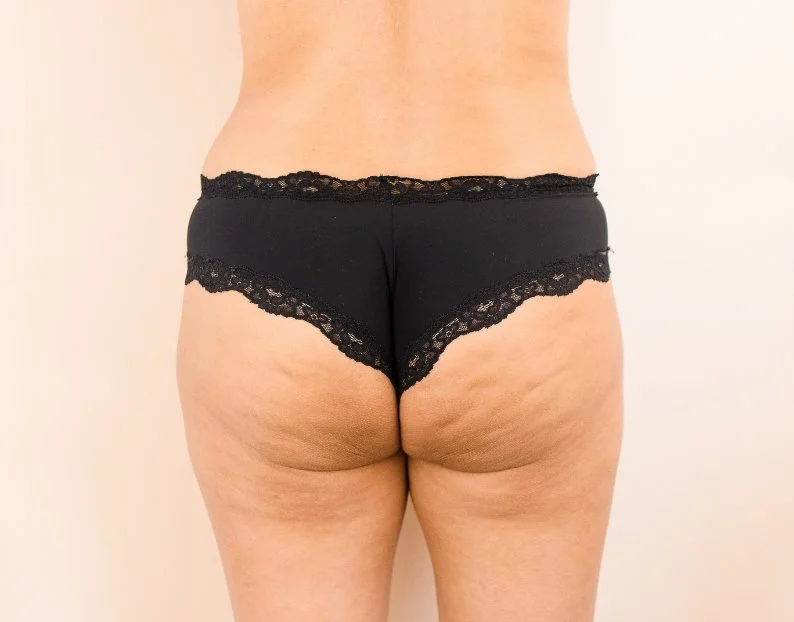
Cellulite affects up to 90% of women at some point in their lives, and while it is less common in men, it is by no means exclusive to women. It presents as a dimpled, uneven skin texture — most commonly on the thighs, buttocks, hips and abdomen — and is caused by fat deposits pushing through the fibrous connective tissue bands (septa) beneath the skin, creating the characteristic lumpy surface appearance.
Cellulite is not a reflection of weight, fitness or lifestyle. It can affect lean, athletic individuals just as readily as those who are overweight. Hormonal factors, genetics, circulation and the structural arrangement of connective tissue all contribute — which is why it is so resistant to conventional approaches.
Why is cellulite more common in women?
The connective tissue structure in women is arranged vertically, which allows fat cells to push through more easily and create the dimpled appearance. In men, connective tissue is arranged in a crisscross pattern that tends to contain fat cells more effectively. Oestrogen also influences fat distribution and connective tissue structure, which is why cellulite often becomes more noticeable during hormonal shifts such as pregnancy, the contraceptive pill or menopause.
How JBH Aesthetics can help with cellulite
Morpheus8 Body addresses cellulite by delivering radiofrequency energy into the subdermal layers where the structural changes causing cellulite occur. The treatment stimulates collagen and elastin production, firms the overlying skin, and remodels the tissue beneath — resulting in a smoother, more even surface texture over time. Learn more about Morpheus8 Body
Combining Morpheus8 Body with EMBODY to improve underlying muscle tone in the affected areas can enhance overall results by improving the structural foundation beneath the skin. Learn more about EMBODY
Muscle separation (diastasis recti)
The core concern that exercise alone often cannot resolve.
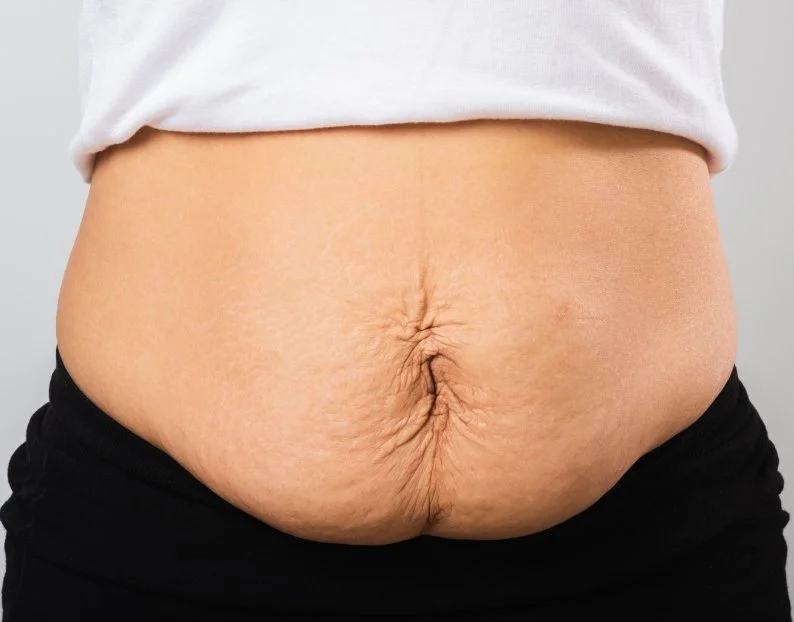
Diastasis recti — the separation of the rectus abdominis muscles along the midline of the abdomen — is a condition most commonly associated with pregnancy, but it affects both women and men. The abdominal muscles are connected along the linea alba, a band of connective tissue running from the ribcage to the pubic bone. When this tissue is overstretched or weakened, the muscles separate, creating a visible bulge or ridge down the centre of the abdomen — particularly noticeable during core engagement.
The clinical impact of diastasis recti extends beyond cosmetic appearance. It is associated with reduced core stability, lower back pain, altered posture and, in some cases, pelvic floor dysfunction.
For Women: post-pregnancy muscle separation
Diastasis recti is estimated to affect up to 60% of women during or following pregnancy, as the growing uterus places significant pressure on the abdominal wall. Many women find that conventional core exercises, including sit-ups and crunches, can worsen rather than improve the separation if performed incorrectly, and that the visible abdominal bulge persists despite returning to exercise after birth. Australian research has highlighted that this condition significantly impacts quality of life and is frequently under-supported in the postnatal period.
For Men: an under-recognised condition
Studies suggest that approximately 10–30% of men may experience diastasis recti, though it is frequently undiagnosed because the condition is so strongly associated with pregnancy in public awareness. In men, common contributing factors include obesity, improper heavy lifting technique, intense abdominal exercise without adequate core conditioning, and age-related connective tissue weakening. Men with diastasis recti often present with a persistent abdominal 'pooch' that does not resolve with diet or training, lower back pain, and a feeling of core instability.
How JBH Aesthetics can help with muscle separation
EMBODY is a clinically recognised non-surgical approach to supporting diastasis recti rehabilitation. The supramaximal contractions induced by HIFEM technology strengthen the deep core musculature, including the transverse abdominis and rectus abdominis, in a way that standard exercise cannot safely replicate in the presence of separation. By building genuine muscle density and core stability, EMBODY supports the structural rehabilitation of the abdominal wall without the risks associated with incorrect core exercise. A minimum course of 6–8 sessions is typically recommended for diastasis recti support. Learn more about EMBODY
Diastasis recti is a clinical condition. We recommend a physiotherapy assessment to confirm the degree of separation before commencing any treatment. EMBODY at JBH Aesthetics is a supportive, non-surgical approach and not a substitute for medical advice.
Spider veins and visible leg veins
Veins that have become visible deserve a clinical solution.
Spider veins, the small, fine red, purple or blue thread-like veins that appear close to the surface of the skin and reticular veins, larger, bluish veins just beneath the surface, are among the most common vascular concerns affecting Australian adults. They appear most frequently on the thighs, calves and ankles and, while generally harmless, are a source of significant cosmetic concern and, for some, mild physical discomfort.
Spider veins become more common with age, prolonged standing, pregnancy, hormonal changes and genetic predisposition. Australia's sun exposure also contributes to vascular damage on the legs and body over time.
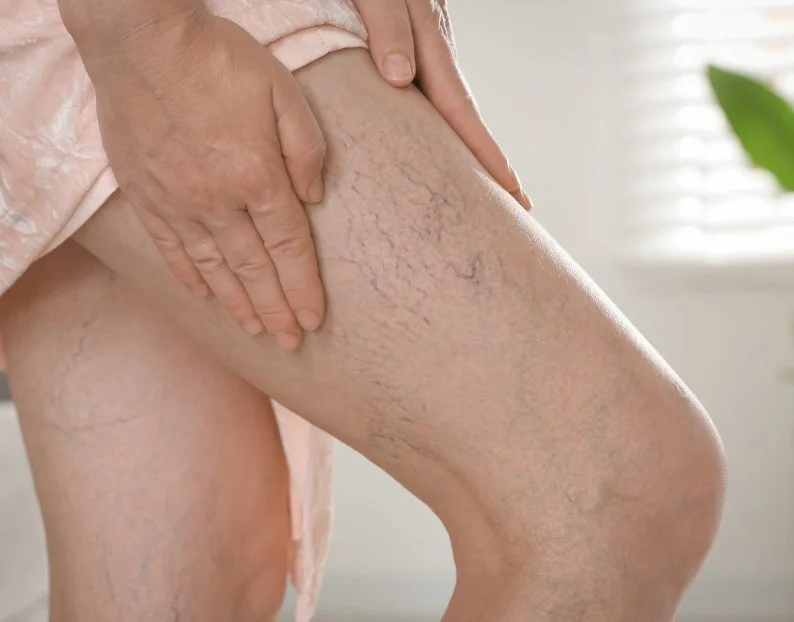
Spider veins in Women
Women are significantly more likely to develop spider veins and reticular veins than men, due to the influence of oestrogen and progesterone on vascular tone. Pregnancy, the contraceptive pill and hormonal therapy can all contribute to their development or progression. Many women notice spider veins appearing or worsening during and after pregnancy.
Spider veins in Men
Men with occupations requiring prolonged standing, those with a genetic predisposition or significant sun exposure history also present with spider and reticular veins. The concern is less common in men but equally treatable.
How JBH Aesthetics can help with spider veins
JBH Aesthetics offers two clinical approaches to spider and reticular vein treatment, and for many clients a combination of both delivers the most comprehensive result.
Sclerotherapy involves the injection of a medical sclerosing solution directly into the targeted vein using a very fine needle. The solution causes the vessel walls to collapse and seal, and the treated vein is gradually reabsorbed by the body over the following weeks. It is the gold-standard clinical treatment for reticular veins and larger spider veins, and is performed by our Registered Nurses at JBH Aesthetics. Learn more about Sclerotherapy
Alma Harmony laser vascular treatments use precise wavelengths of light to target haemoglobin in smaller surface spider veins and vascular lesions on the skin, collapsing the vessel without affecting the surrounding tissue. It is particularly effective for fine facial and body surface veins where sclerotherapy is not suitable. Learn more about Alma Harmony Laser
Body pigmentation and uneven skin tone
Sun damage, scarring and pigmentation don't stop at the face.
Years of Australian sun exposure leave their mark well beyond the face and neck. Pigmentation, uneven skin tone, sun damage, post-inflammatory hyperpigmentation from old injuries or scarring, and vascular redness can all affect the skin on the arms, chest, back, legs and décolletage — areas that are often overlooked in clinical skin treatment but which our clients increasingly want addressed.
Body pigmentation concerns include solar lentigines (sun spots), post-inflammatory hyperpigmentation (darkening of the skin following acne, injury or inflammation), vascular redness and generalised uneven tone. Tattoo removal is also addressed in this category for clients seeking to reduce or eliminate unwanted body art.

A particular concern for Australian skin
Australia has one of the highest rates of skin cancer in the world, and cumulative sun exposure means that pigmentation concerns on the body are extremely prevalent — particularly in adults over 35 who grew up with less sun protection awareness. Addressing body pigmentation is not purely cosmetic: any change in existing pigmented lesions should be assessed clinically, and our skin cancer check service is available for those with concerns about moles or changing spots (see Skin Cancer Checks below).
How JBH Aesthetics can help with body pigmentation and uneven skin tone
The Alma Harmony platform uses precise laser and light-based wavelengths to target melanin in pigmented lesions on the body. The Dye-VL handpiece delivers intense pulsed light to address surface pigmentation, vascular redness and uneven tone, while the ClearLift handpiece offers non-ablative laser rejuvenation for texture and tone improvement with minimal downtime. Treatments are tailored to your specific skin type, tone and concern. Learn more about Alma Harmony Laser Body Treatments
Unwanted body hair
A permanent solution to a persistent problem.
Unwanted body hair is one of the most common cosmetic concerns affecting both women and men. The time, cost and physical discomfort of waxing, shaving and threading accumulates significantly over a lifetime — and for many people, particularly those with darker, coarser hair or PCOS-related hair growth patterns, conventional methods are an ongoing source of frustration and skin irritation.
Laser hair removal is the only clinically proven method of achieving permanent hair reduction. At JBH Aesthetics, we use the Alma Soprano Titanium — a gold-standard device that uses Triple Wavelength Technology to target hair follicles across all depths and hair types in a single treatment pass, with integrated ICE Plus cooling making the experience virtually pain-free.
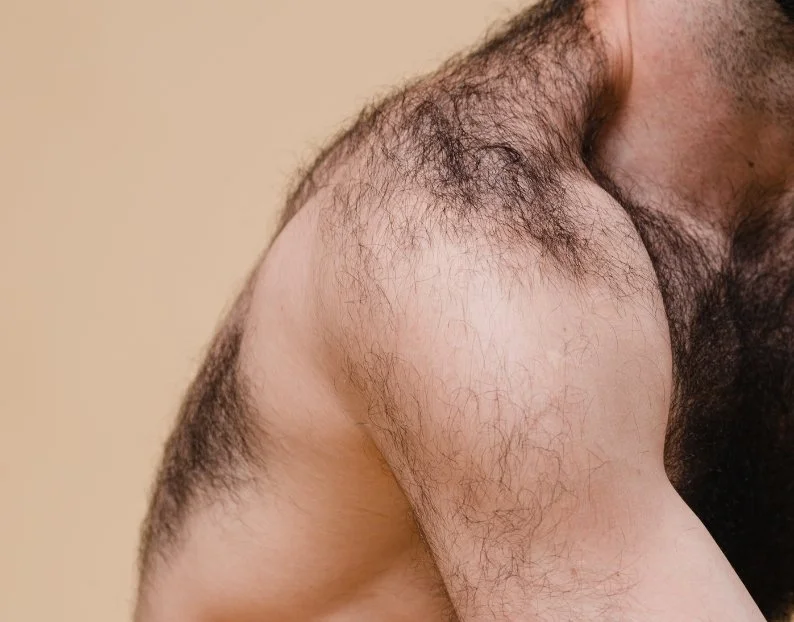
Unwanted Body Hair in Women
Common treatment areas for women include the legs, underarms, bikini line, face (lip, chin and jawline), arms and abdomen. Women with PCOS or hormonal hair growth concerns benefit particularly from the precision and permanence of laser hair removal over recurring short-term methods.
Unwanted Body Hair in Men
Male clients most commonly treat the back, chest, shoulders, beard line and abdomen. Laser hair removal is equally effective on male skin and the Soprano Titanium's suitability for all skin types means darker complexions are treated safely and effectively without the risk of hyperpigmentation.
How JBH Aesthetics can help with unwanted hair removal
The Alma Soprano Titanium at JBH Aesthetics treats all skin types and tones year-round, including tanned skin, without requiring sun avoidance between sessions. Most clients achieve optimal results across 6–8 sessions spaced 4–6 weeks apart, with significant reduction visible from session three or four. Maintenance sessions may be recommended annually thereafter. Learn more about Laser Hair Removal
Frequently Asked Questions about Body Concerns and Treatments
-
EMBODY at JBH Aesthetics uses HIFEM technology to induce supramaximal muscle contractions — far beyond what voluntary exercise can achieve. It is one of the most clinically studied non-surgical approaches to improving muscle tone and definition, and is suitable for both women and men. A course of 6–8 sessions is recommended for optimal results.
-
Yes. EMBODY is a non-surgical approach that supports diastasis recti rehabilitation by strengthening the deep core musculature through supramaximal muscle contractions. It is recommended that clients obtain a physiotherapy assessment to confirm the degree of separation before commencing treatment. EMBODY at JBH is a supportive non-surgical approach, not a substitute for medical advice.
-
Cellulite is a structural skin concern caused by fat deposits pushing through fibrous connective tissue. At JBH Aesthetics, Morpheus8 Body uses radiofrequency microneedling to remodel the subdermal tissue, stimulate collagen production and improve skin texture — reducing the appearance of cellulite over a course of treatments. Combining Morpheus8 Body with EMBODY for underlying muscle tone can enhance overall results.
-
Spider veins develop when small blood vessels near the surface of the skin become enlarged and visible. Contributing factors include genetics, age, prolonged standing, pregnancy, hormonal changes and sun exposure. JBH Aesthetics offers sclerotherapy (injectable treatment) and Alma Harmony laser vascular treatment for spider and reticular veins on the legs.
-
Laser hair removal achieves permanent hair reduction, meaning a significant, long-lasting reduction in hair density and regrowth. Most clients achieve optimal results across 6–8 sessions. The Alma Soprano Titanium at JBH Aesthetics is suitable for all skin types and tones including darker complexions, and can be used year-round.
-
JBH Aesthetics treats a wide range of body concerns including lack of muscle tone and definition, loose or lax skin, cellulite, diastasis recti (muscle separation), spider and reticular veins, body pigmentation and uneven skin tone, unwanted body hair, and weight management. A personalised consultation is recommended to determine the most appropriate treatment approach for your individual goals.
-
Yes. All body treatments at JBH Aesthetics are available for men. Male clients commonly present with concerns including abdominal definition and core strength, skin laxity following weight loss, spider veins, body hair removal and weight management. EMBODY in particular is highly effective for male abdominal sculpting and core rehabilitation.
-
JBH Aesthetics is located at 67 Broughton Street, Camden NSW 2570. We welcome clients for body concern consultations and treatments from across the Macarthur region, including Narellan, Oran Park, Gregory Hills, Harrington Park, Campbelltown, Leppington, Mount Annan, Picton and surrounding suburbs.
Not sure which treatment is right for you?
Most body concerns are multi-layered and the most effective treatment plan often combines more than one approach. Loose skin and poor muscle tone frequently occur together. Spider veins and body pigmentation can exist in the same area. Weight loss and skin laxity are closely connected.
At JBH Aesthetics, we don't expect you to arrive with the answers. Our practitioners will take the time to understand your concerns, assess your goals and health history, and recommend a personalised treatment plan that makes clinical sense for your individual circumstances.
Book a consultation, explore our full body treatments range, or contact the team directly - we're here to help you move forward with clarity and confidence.
Body concern treatments in Camden and across Macarthur
JBH Aesthetics is located at 67 Broughton Street, Camden - the Macarthur region's boutique clinical aesthetics and skin clinic.
We offer the most comprehensive range of clinically led body treatments available locally, serving clients from Narellan, Oran Park, Gregory Hills, Harrington Park, Campbelltown, Leppington, Mount Annan, Picton and across South West Sydney.
Every concern is taken seriously. Every plan is personalised. Every treatment is delivered by qualified practitioners who combine clinical expertise with genuine care.
To book your consultation, contact JBH Aesthetics in Camden on 0452 302 148, info@jbhaesthetics.com.au or click the link below.