
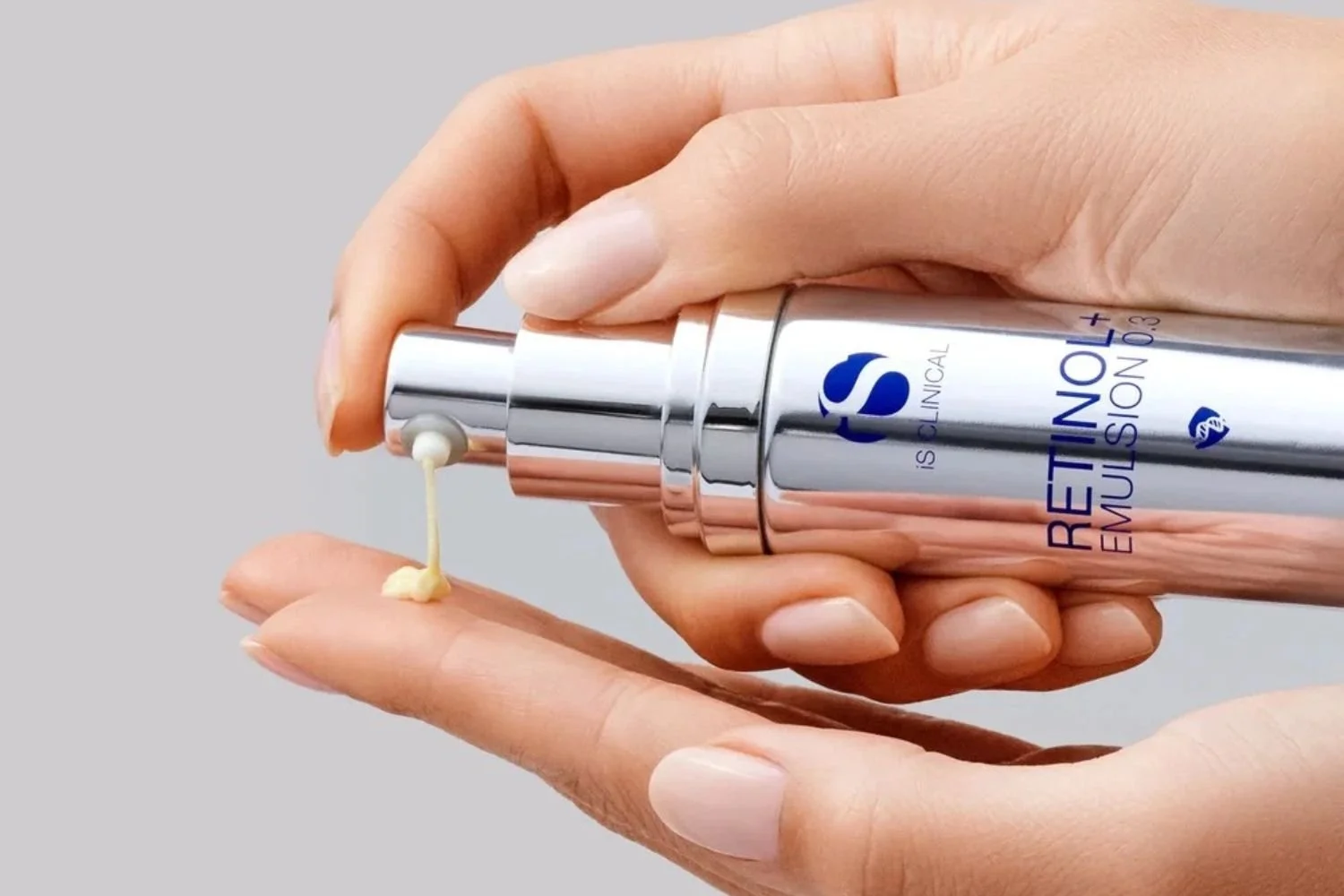
Retinol and retinal are both forms of vitamin A that your skin converts into retinoic acid, the form that works on skin cells. Retinal is one step closer to retinoic acid, so it's generally considered faster acting, while retinol is the most researched cosmetic retinoid and a gentler place to start for many people. The right choice depends on your skin's experience with vitamin A, how sensitive it is and what you'd like to improve.
With so many retinoid products on the shelf, it's easy to assume the strongest option is the best one. In clinic, I find the opposite is often true. Below, I'll explain how the vitamin A family works and how I help clients choose the retinoid that suits their skin.
Key takeaways
Retinol needs two conversion steps to become retinoic acid, while retinal needs just one.
Retinal is generally considered faster acting, while retinol is the most researched and a gentle starting point.
Prescription-strength retinoids need a doctor's prescription in Australia.
Start any retinoid slowly, two or three nights a week, and build up as your skin adjusts.
Use retinoids at night and wear SPF 50+ every morning.
What does Vitamin A do for your skin?
Vitamin A, in the form of retinoids, is one of the most researched ingredients in skincare. Retinoids support your skin's natural renewal process, which helps improve the look of fine lines, rough texture, uneven tone and congested pores.
The word "retinoid" covers the whole vitamin A family. Retinol and retinal are both members, and so are gentler retinyl esters and prescription-only retinoic acid. They all do similar work, but at different speeds and strengths.
The Vitamin A family, from gentlest to strongest
Every retinoid has to become retinoic acid before your skin can use it. The fewer conversion steps a retinoid needs, the stronger and faster acting it tends to be.
| Form of vitamin A | Steps to retinoic acid | Strength | How you get it in Australia |
|---|---|---|---|
| Retinyl esters (such as retinyl palmitate) | Three | Gentlest | Over the counter |
| Retinol | Two | Moderate | Over the counter |
| Retinal (retinaldehyde) | One | Stronger | Over the counter |
| Retinoic acid | None | Strongest | Prescription only |
Retinol vs Retinal: the key differences
Retinol converts to retinal, then to retinoic acid. Retinal skips that first step, which is why it's often described as working faster. Retinol, on the other hand, has the larger body of research behind it and comes in a wide range of strengths, which makes it easy to start low and build up gradually.
| Retinol | Retinal | |
|---|---|---|
| Steps to retinoic acid | Two | One |
| Speed | Gradual | Generally faster |
| Research | The most researched cosmetic retinoid | Growing, but less than retinol |
| Often suits | First-time users and sensitive skin | Experienced retinoid users |
| Strengths available | Wide range, easy to build up | Fewer options |
Tolerance depends on the formula as much as the retinoid itself. A well-formulated retinol with soothing ingredients can feel gentler than a poorly formulated retinal, and the reverse can also be true.
“The best retinoid isn’t the strongest one, it’s the one your skin can use consistently. That’s where results come from.”
Which is right for you?
New to vitamin A, or sensitive skin: start with a low-strength retinol, such as a 0.3 formula, a few nights a week.
Used retinol for months without irritation: you may be ready to step up the strength, or to explore a faster-acting option such as retinal or AlphaRet in a consultation.
Oily or breakout-prone skin: a retinoid paired with ingredients that work inside the pores may suit you.
Dry, reactive or redness-prone skin: choose a formula with hydrating and calming ingredients, and build up slowly.
Pregnant, breastfeeding or planning a pregnancy: The iS Clinical Retinol+ Emulsion 0.3 can be used as it doesn’t absorb systemically and doesn’t cross the placenta. For others, consult your doctor before use.
“I’d much rather a client start gently and build up than jump to a strong retinoid and give up after two weeks.”
The Vitamin A options at JBH Aesthetics
If you're curious about retinal, I'm happy to talk you through whether it suits your skin in a consultation. These are the vitamin A ranges I work with in clinic.
iS Clinical Retinol+ Emulsion 0.3 and 1.0. A botanical retinol paired with bakuchiol, a plant-based retinol alternative, plus ectoin and stabilised vitamin C. Retinol+ Emulsion 0.3 suits beginners and sensitive skin, and Retinol+ Emulsion 1.0 is for skin that already tolerates retinol well.
SkinCeuticals Retinol 0.3, 0.5 and 1.0. Pure retinol night creams in three strengths, so you can build up over time. Retinol 0.3 is the starting point for first-time users, with soothing bisabolol to help minimise irritation. Once your skin is comfortable, you can move to Retinol 0.5 and then Retinol 1.0.
“I recommend starting with the 0.3 Retinol+ Emulsion for any client who is new to retinol or has sensitive skin.”
SkinBetter Science AlphaRet. SkinBetter Science's patented technology pairs a retinoid with lactic acid, and is designed to minimise irritation. AlphaRet Overnight Cream is available after a free online consultation.
| Product | Brand | Type of vitamin A | Strengths | Best suited to |
|---|---|---|---|---|
| Retinol Night Cream | SkinCeuticals | Pure retinol | 0.3, 0.5, 1.0 | Building up gradually, normal, oily and combination skin |
| Retinol+ Emulsion | iS Clinical | Botanical retinol with bakuchiol | 0.3, 1.0 | Beginners and sensitive skin (0.3), experienced users (1.0) |
| AlphaRet Overnight Cream | SkinBetter Science | Retinoid paired with lactic acid | One strength | Skin that has found retinol irritating (consultation required) |
How to introduce a retinoid without the irritation
Start slowly. Use your retinoid two or three nights a week for the first few weeks, then build up as your skin adjusts.
Apply to dry skin. Cleanse, pat dry and use a pea-sized amount for your whole face, avoiding the eye area.
Try the sandwich method. If your skin feels dry, apply a light moisturiser before and after your retinoid.
Don't double up on acids. Avoid using exfoliating acids in the same routine as your retinoid unless I've advised it.
Wear sunscreen every morning. Retinoids increase sun sensitivity, so SPF 50+ is essential.
“Always use retinol at night and apply your SPF every morning, no exceptions.”
What is retinol purging, and is it normal?
When you start a retinoid, your skin's renewal speeds up. Some people notice mild dryness, flaking or a few breakouts in the first few weeks, often called purging. This usually settles as your skin adjusts.
Can you use retinol with Vitamin C?
Yes, and they work beautifully together when used at different times of day. Apply your vitamin C serum in the morning before sunscreen, and your retinoid in the evening. You can read more in our guide to Vitamin C Serums. If you're also using a pigmentation serum, I'll help you plan how it fits around your retinoid.
When to pause your retinoid
Stop using retinoids and speak with your doctor if you're pregnant, breastfeeding or planning a pregnancy. You'll also need to pause them before and after some in-clinic treatments, such as peels, laser and microneedling, so always follow the aftercare advice you're given.
Not sure which retinoid is right for you?
If you're unsure where to start, or you've struggled with retinoids before, I'd love to help. In a skin consultation, I'll assess your skin and recommend the vitamin A that suits you, along with a routine to introduce it comfortably.
Frequently asked questions
Is retinal stronger than retinol? Retinal is one conversion step closer to retinoic acid, so it's generally considered faster acting than retinol. How your skin tolerates it depends on the formula and your skin's experience with vitamin A.
Which is better for beginners, retinol or retinal? For most beginners, a low-strength retinol is the gentlest place to start. You can build up the strength, or explore other retinoids, once your skin is comfortable.
Can I use retinol every night? Many people work up to nightly use, but start with two or three nights a week and increase gradually as your skin adjusts.
How long does retinol take to work? Retinoids work gradually. Give any new retinoid around 12 weeks of consistent use, alongside daily sunscreen, before judging your results.
What is retinol purging? Purging is a temporary period of dryness, flaking or breakouts that some people notice when they start a retinoid. It usually settles within a few weeks. If irritation is severe or doesn't settle, stop and seek advice.
Can I use retinol and vitamin C together? Yes. Use vitamin C in the morning before sunscreen, and your retinoid in the evening.
Can I use retinol while pregnant? If you're pregnant, breastfeeding or planning a pregnancy, the iS Clinical Retinol+ Emulsion 0.3 can be used as it doesn’t absorb systemically and doesn’t cross the placenta. Avoid other retinoids and speak with your doctor about suitable alternatives.
Find the right Vitamin A for your skin
Book a skin consultation in Camden and I'll recommend the retinoid and routine that suit you. Shopping online? Enjoy 15% off your first order, free shipping on orders over $65 across Australia and complimentary samples in every order.
By Jessica Bugeja Huon, Cosmetic and Dermatology Registered Nurse and founder of JBH Aesthetics, Camden.
Last updated 19th November 2026